Fungi are one of the most fascinating (and misunderstood) groups of organisms on earth
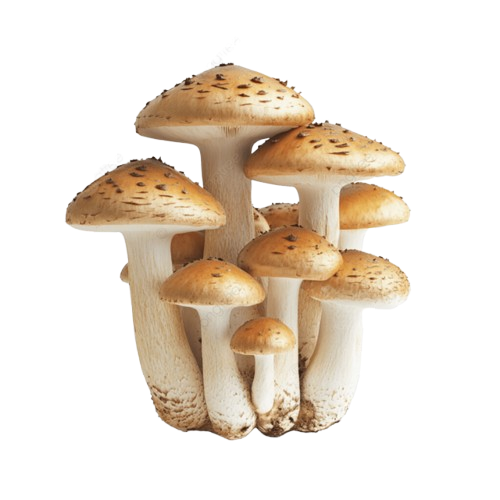
THE UNKNOWNS:
Although they are one of the largest groups of organisms on our planet, more than 90% are currently unknown for science
I am sure you know or have heard about Fungi, tiny organisms that come in countless colors and forms. Some are found in nature and some even in our houses, but
you really know everything they can do?
Fungi are one of the most fascinating (and misunderstood) groups of organisms on earth
They belong to their own kingdom, at first sight they might look like plants, they apparently don't move, usually grow in the ground, and they can seem pretty similar. In fact scientists once thought they were plants too.
BUT fungi play by completely different rules.
Unlike plants, fungi don't have chloroplasts, which means they can't performe photosynthesis or produce their own food. Instead they survive in a much more unique way, they absorb nutrients from their surroundings
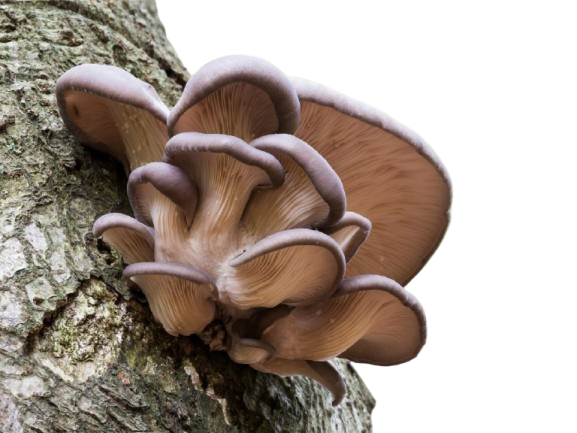
Fungi are decomposters, they feed on organic matter (anything that comes from living organisms like plants animals or even microorganisms), thanks to this, they play a crucial role in recycling nutrients and keeping ecosystems alive.
Aaaand here is where it gets even more interesting
This kingdom is MASSIVE, with over 144.000 known species. It includes everything from the mushroom in your pasta, to the mold growing on old fruit, to tiny fungi hidden in the soil
We often think of fungi as small. But in reality, a single fungus can spread for kilometers underground, forming one of the largest living organisms on the planet
Sounds confusing??
Fungi have two main parts:
The fruiting body
the visible part we recognize, like a mushroom
The mycelium
the hidden network that lives beneath the surface
If the mushroom is what you see, the mycelium is what makes everything possible.
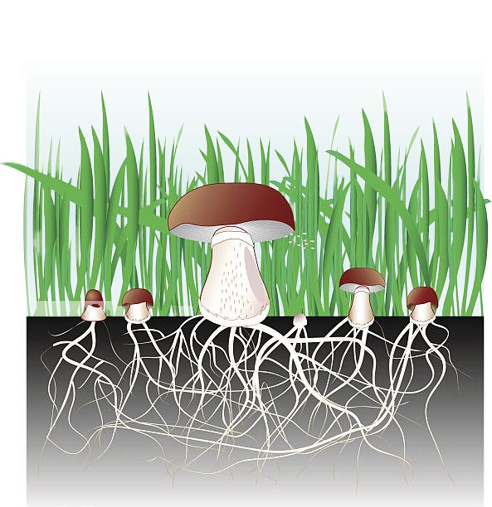
Mycelium is a vast network of thread-like structures that spreads underground, silently connecting everything around it. Because of its structure, scientists often compare it to an underground internet. And that comparison isn't just a saying
through this network, fungi can connect with plants, forming powerful partnerships. They can help plants absorb nutrients, share resources, and even support entire ecosystems
In a way, forest aren't just collections of individual trees, they are deeply connected systems, with fungi acting as the hidden link between them
Today, scientists are exploring how mycelium could be used in the modern world from sustainable materials to enviormental solutions
What seems like something simple, might be one of the most powerful systems on earth
"We tipically think of fungi as decomposters, buy they are cryptic and do many different things"
-Bala Chaudhary, Associate proffesor of enviormental studies
Explore the incredible functions of this network and its potential to transform different fields in our world.
READYYY...
SET...